
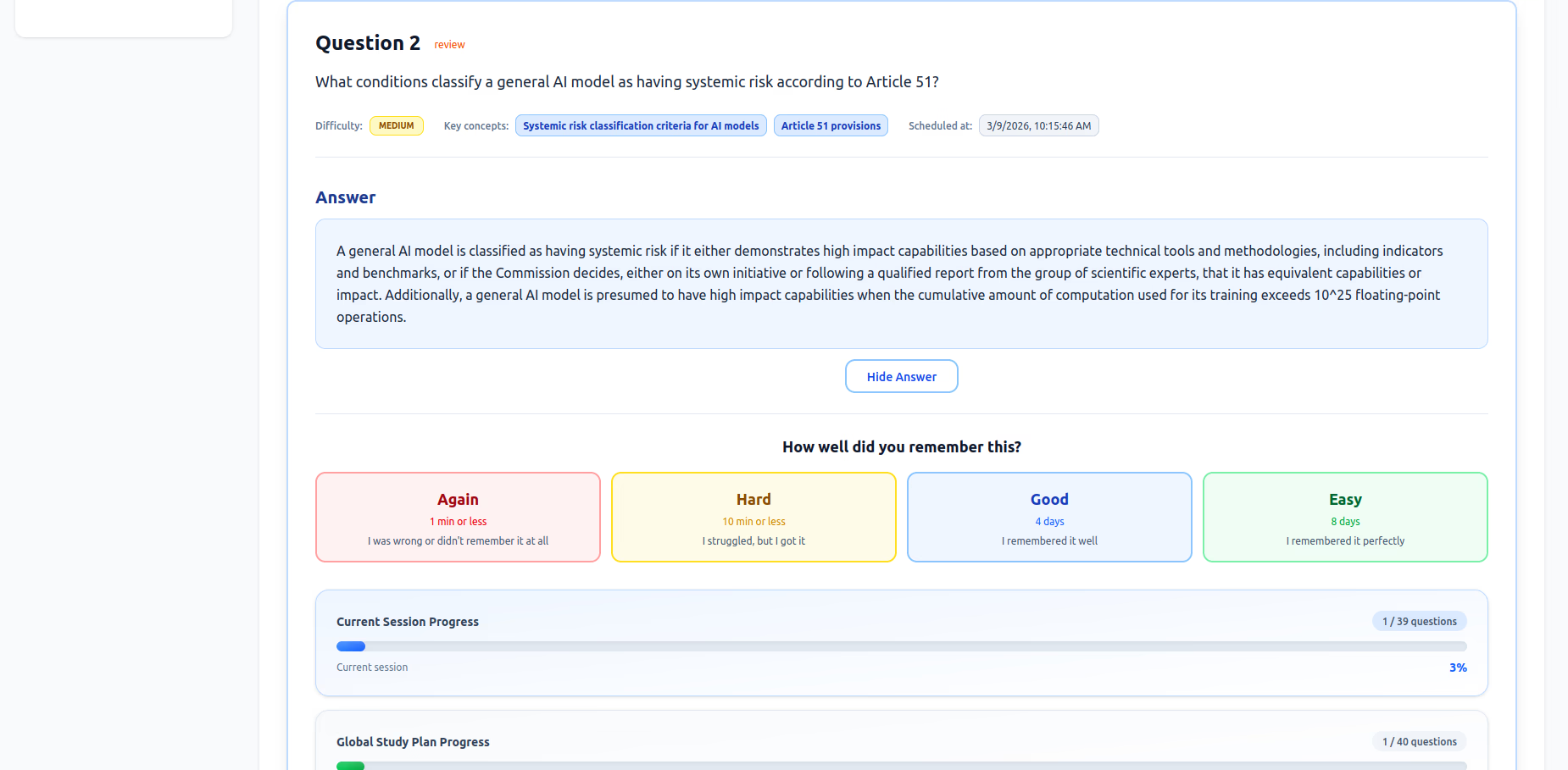
Preparing for exams has evolved significantly with the rise of artificial intelligence, and one of the most powerful innovations is the use of AI generated flashcards combined with spaced repetition. Instead of manually creating study materials and struggling to remember large volumes of information, students can now rely on intelligent tools to streamline the learning process while improving long term retention. By using platforms like LongTermMemory, learners can transform notes, textbooks, or even complex topics into structured flashcards that adapt to their learning pace and memory patterns.
This approach is not only efficient but also rooted in cognitive science, ensuring that students spend more time reinforcing what they struggle with rather than reviewing what they already know. As a result, exam preparation becomes more focused, less stressful, and far more productive.
What Are AI Generated Flashcards and Why They Matter
AI generated flashcards are automatically created study prompts that extract key information from your input materials. Instead of spending hours writing questions and answers manually, the system analyzes content and produces concise flashcards that highlight definitions, concepts, and relationships.
These flashcards are particularly valuable because they eliminate the guesswork in deciding what to study. The AI identifies important details and converts them into digestible pieces of information, making it easier to review consistently. When paired with spaced repetition, the effectiveness of these flashcards increases significantly because they are shown to you at optimal intervals based on your performance.
- They save time by automating flashcard creation
- They ensure coverage of key concepts
- They reduce cognitive overload
- They adapt to your learning progress
Understanding Spaced Repetition for Better Retention
Spaced repetition is a learning technique that schedules reviews at increasing intervals to strengthen memory. Instead of cramming information in one session, you revisit material just before you are likely to forget it. This method reinforces neural connections and makes recall more efficient over time.
When integrated with AI generated flashcards, spaced repetition becomes even more powerful because the system tracks your responses and adjusts the review schedule accordingly. Difficult cards appear more frequently, while easier ones are spaced further apart. This dynamic system ensures that your study time is always used efficiently.
For students preparing for exams, this means less time wasted on repetitive review and more time focused on mastering challenging topics. Over time, this approach leads to stronger recall during exams and better overall performance.
How LongTermMemory Enhances AI Flashcard Learning
LongTermMemory is designed to optimize the process of creating and reviewing flashcards using artificial intelligence. It allows users to upload notes or learning materials, which are then transformed into structured flashcards ready for study. The platform emphasizes long term retention by combining intelligent generation with spaced repetition algorithms.
What makes this tool particularly useful is its ability to adapt to different types of learners. Whether you are studying for medical exams, language tests, or technical subjects, the AI tailors flashcards to the context of your material. This ensures that each card is relevant, concise, and aligned with your learning goals.
- Upload or input study material
- Allow the AI to generate flashcards automatically
- Review cards using spaced repetition scheduling
- Track progress and adjust learning focus
This streamlined workflow removes friction from the study process and allows students to focus on understanding rather than preparation.
Step by Step Guide to Using AI Generated Flashcards for Exams
To get the most out of AI generated flashcards with spaced repetition, it is important to follow a structured approach. This ensures that you are not only using the tool effectively but also aligning it with your exam goals.
Start by gathering all your study materials, including lecture notes, textbooks, and summaries. Input these into the AI platform so it can generate flashcards based on your content. Once the cards are created, review them regularly according to the spaced repetition schedule provided.
It is also helpful to actively engage with the flashcards rather than passively reading them. Try to recall answers before flipping the card, and mark your confidence level honestly. This feedback allows the system to adjust future reviews more accurately.
- Use high quality input material for better flashcards
- Review consistently instead of cramming
- Be honest with your self assessment
- Focus more on weak areas identified by the system
Benefits of AI Flashcards for Exam Preparation
AI generated flashcards provide several advantages that make them ideal for exam preparation. One of the most significant benefits is efficiency. Students can create hundreds of flashcards in minutes, allowing them to cover more material in less time.
Another key benefit is personalization. The system adapts to your learning behavior, ensuring that difficult concepts receive more attention. This targeted approach helps close knowledge gaps quickly and effectively.
Additionally, the combination of AI and spaced repetition improves long term retention. Instead of forgetting information after the exam, you retain knowledge for future use, which is especially important for cumulative subjects.
- Faster content creation
- Personalized learning experience
- Improved memory retention
- Reduced study stress
Common Mistakes to Avoid When Using AI Flashcards
While AI generated flashcards are powerful, they are not foolproof. One common mistake is relying entirely on the AI without reviewing the generated content. It is important to verify accuracy and make adjustments if necessary.
Another mistake is inconsistent usage. Spaced repetition only works if you follow the schedule regularly. Skipping sessions reduces the effectiveness of the method and weakens memory reinforcement.
Students should also avoid overloading the system with too much information at once. Breaking content into manageable sections ensures better comprehension and retention.
- Do not skip review sessions
- Always review generated flashcards for accuracy
- Avoid cramming large volumes at once
- Stay consistent with your study routine
Best Practices for Maximizing Results
To fully benefit from AI generated flashcards with spaced repetition, adopting best practices is essential. Consistency is the most important factor. Daily review sessions, even if short, are more effective than occasional long sessions.
It is also beneficial to combine flashcards with other study methods such as practice tests and active recall exercises. This multi approach strategy strengthens understanding and prepares you for different types of exam questions.
Another useful practice is refining your flashcards over time. As you progress, you may identify areas where additional detail or clarification is needed. Updating your cards ensures that your study material remains relevant and effective.
- Study daily using spaced repetition
- Combine flashcards with active recall
- Update and refine flashcards regularly
- Focus on understanding, not memorization alone
Why AI Flashcards Are the Future of Learning
The integration of artificial intelligence into education is transforming how students learn and prepare for exams. AI generated flashcards represent a shift toward smarter, data driven study methods that prioritize efficiency and retention.
As tools like LongTermMemory continue to evolve, they will become even more personalized and adaptive. This means that students will spend less time figuring out how to study and more time actually learning. The result is a more effective and enjoyable educational experience.
For anyone looking to improve their exam preparation strategy, adopting AI generated flashcards with spaced repetition is a practical and forward thinking choice. It not only enhances performance but also builds a foundation for lifelong learning.
By leveraging technology in this way, students can take control of their study process, reduce stress, and achieve better outcomes in their academic journey.