
Many startups fail because founders build products that nobody actually wants. Months of development can go into an idea before discovering that there is little demand. A smarter approach is to validate interest before writing code or investing heavily in development.
One of the most effective strategies founders use today is building a waitlist before launching their product. A waitlist allows you to measure real interest, collect potential users, and create excitement before the product even exists. Instead of guessing whether people want your idea, you gather proof.
This guide will walk you through exactly how to build a startup waitlist before launch, validate demand quickly, and create early traction that can help your startup succeed.
Why Startup Waitlists Are Powerful for Early Validation
Before launching a product, the most important question founders must answer is simple: Do people actually want this?
A waitlist helps answer that question quickly. Instead of relying on assumptions, you gather real data from potential users who are willing to sign up.
A startup waitlist can provide several important benefits:
- Validate whether people are interested in your idea
- Collect emails of potential early adopters
- Create hype and anticipation before launch
- Build a small community around your product
- Gather feedback that helps shape your product
Some of the most successful startups used waitlists before their launch to gauge interest and refine their ideas. If people are willing to join a waitlist for your product, it is a strong signal that the problem you are solving matters.
Modern tools like VIP List make it possible to create a waitlist and start testing demand in minutes instead of building everything from scratch.
Step 1: Define the Core Problem Your Startup Solves
The first step in building a waitlist is clearly defining the problem your startup solves.
Your waitlist page should communicate one thing immediately: the value your product will provide. If visitors cannot understand the benefit within a few seconds, they are unlikely to sign up.
Ask yourself the following questions:
- What problem does my startup solve?
- Who experiences this problem most often?
- How does my product make their life easier?
- Why is my solution different from existing alternatives?
Your waitlist page should focus on the problem and the outcome users want, not the technical details of your product.
Step 2: Create a Simple Waitlist Landing Page
Once you understand the problem you are solving, the next step is creating a landing page where people can join your waitlist.
Your landing page does not need to be complicated. In fact, the simpler it is, the better.
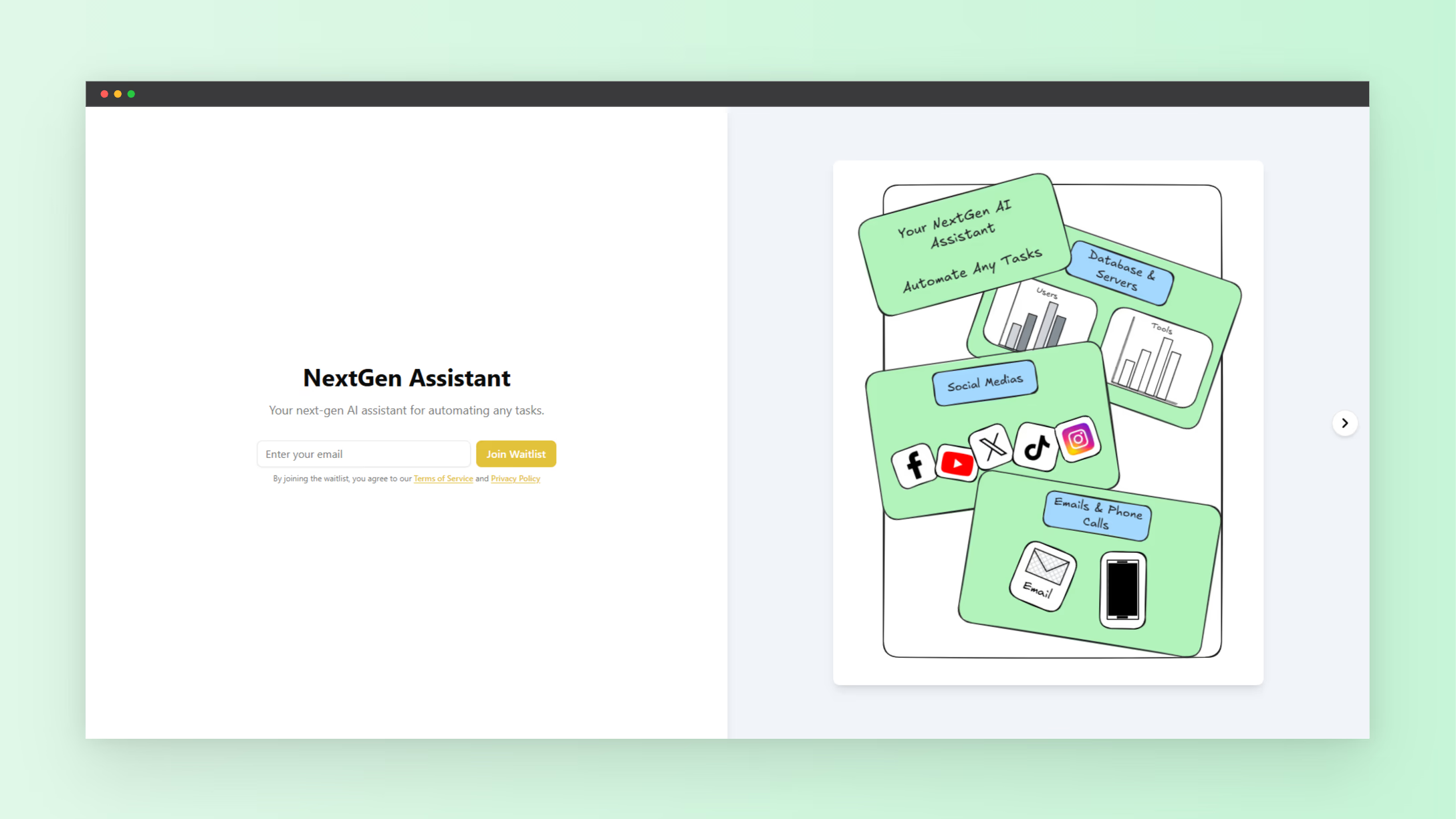
A good waitlist page typically includes:
- A clear headline explaining the value of your startup
- A short description of what the product will do
- A signup form to collect email addresses
- A short explanation of why users should join early
Founders often make the mistake of trying to design a complex marketing page before they have validated their idea. The goal of a waitlist page is not perfection. The goal is learning whether people are interested.
If visitors sign up, that is a positive signal. If they do not, it may mean your message needs improvement or your idea needs adjustment.
Step 3: Offer Early Access Incentives
People are more likely to join a waitlist when there is a clear benefit for signing up early.
You can motivate early users by offering perks such as:
- Early product access
- Lifetime discounts
- Exclusive beta testing
- Founding member status
- Priority onboarding
Creating a sense of exclusivity can dramatically increase waitlist signups. When users feel like they are getting early access to something new, they become more excited to participate.
Some startups also create VIP groups where early users can interact with the founders and provide feedback.
Step 4: Share Your Waitlist With the Right Audience
Once your waitlist page is live, the next step is driving traffic to it.
Many founders assume people will automatically discover their product. In reality, early traction requires active outreach.
Here are several effective ways to promote your startup waitlist:
- Share the idea in startup communities
- Post your project on social media platforms
- Reach out to potential users directly
- Write posts explaining the problem you are solving
- Ask friends or industry contacts for feedback
At this stage, the goal is not massive traffic. The goal is targeted feedback from people who may actually use your product.
Quality feedback from a small group of potential users is far more valuable than thousands of random visitors.
Step 5: Collect Feedback From Early Signups
A waitlist should not only collect email addresses. It should also help you learn more about your users.
Early adopters are incredibly valuable because they can tell you:
- Why they are interested in your product
- What features they expect
- What existing tools they currently use
- What frustrations they experience today
You can gather this feedback through short surveys, email conversations, or community discussions.
This information can dramatically improve your product direction before development even begins.
Step 6: Measure Demand Signals
The number of waitlist signups can reveal a lot about your startup idea.
Here are several demand signals to watch:
- Signup conversion rate from visitors
- Growth of your waitlist over time
- Engagement with emails or updates
- Feedback quality from potential users
If your waitlist grows quickly, it suggests strong market interest. If signups are slow, you may need to adjust your messaging or reconsider your positioning.
Either outcome provides valuable insight before you invest significant resources into building the product.
Step 7: Build Momentum Before Launch
One of the biggest advantages of building a waitlist is the momentum it creates before launch.
Instead of releasing a product to an empty audience, you start with a group of people already interested in what you are building.
This can make your launch much more powerful because:
- You already have early adopters ready to try the product
- You can generate immediate feedback after launch
- Early users can share the product with others
- Your launch appears more credible
Many successful startups build communities around their waitlists, turning early users into supporters who help spread the word.
Tools That Make Waitlist Creation Easy
In the past, building a waitlist required creating landing pages, designing forms, and managing email lists manually. This process could take days or weeks.
Today, specialized tools allow founders to launch waitlists in minutes.
Platforms like VIP List allow you to create a waitlist quickly, collect signups, and test whether people actually want your product before you spend months building it. :contentReference[oaicite:1]{index=1}
If you are exploring startup tools and resources for founders, you can also discover many useful platforms on NextGen Tools, a directory where makers share and launch innovative tools. :contentReference[oaicite:2]{index=2}
Using a dedicated waitlist builder helps founders focus on validating ideas rather than spending time building infrastructure.
Common Mistakes When Building a Startup Waitlist
Many founders make mistakes that reduce the effectiveness of their waitlist.
Here are several common pitfalls to avoid:
- Overcomplicating the landing page
- Not clearly explaining the product benefit
- Failing to promote the waitlist
- Ignoring feedback from early users
- Waiting too long before validating the idea
The goal of a waitlist is speed and learning. The faster you can test an idea, the faster you can improve it.
Final Thoughts
Learning how to build a startup waitlist before launch can dramatically increase your chances of success.
Instead of building products blindly, founders can validate ideas with real users, gather valuable feedback, and build a community before launch.
A waitlist transforms the startup process from guessing into learning. Every signup represents someone interested in your solution, and every piece of feedback helps shape a better product.
If you are starting a new project, consider launching a waitlist first. It is one of the fastest ways to test demand, refine your idea, and build excitement long before your product officially launches.